OTHER SERVICES
Not Every Need Fits the Same Path
Training, evaluation, transportation, and practical support for the dog and situation in front of you.
Some people need help developing a pet dog. Others need an evaluation, a focused class, safe companion-animal transportation, or help checking an animal for a microchip.
This page brings those services together so you can identify what fits without searching through unrelated programs or trying to force the need into service-dog handler development.
West Tennessee in-person availability · Select virtual services available

EXPLORE AVAILABLE SERVICES
Start With What You Need
You do not need to know the official service name before asking for help. Begin with what you want your dog to learn, the situation you are trying to address, or the practical service you need. The details below will help you identify an appropriate place to begin.
INDIVIDUAL TRAINING
Pet-Dog Programs
Individualized development and training built around the dog, person, environment, capacity, and goals.
- Puppy development and prevention
- Adolescent-dog development
- Adult companion-dog training
- Reactivity, phobias, and arousal
- Cooperative veterinary and grooming care
- Applied scent and olfaction
- Other team-specific training needs
LIVE LEARNING
Classes, Workshops & Events
Focused learning opportunities for people who want to build a skill, explore a topic, or experience an educational environment without beginning a complete individualized program.
- Skill classes focused on practical training development
- Topic-specific educational workshops
- Group learning opportunities
- Paradox Dogs virtual open houses
SKILL ASSESSMENT
COMPANION-ANIMAL TRANSPORT
IDENTIFICATION SUPPORT
AKC Evaluations
Crossroads Companion Transport
Microchip Scanning
Formal evaluations of skills a dog-handler team has already developed.
Dedicated local transportation for companion animals and their approved supplies when the owner cannot make the trip personally.
Scanning an animal for a detectable microchip and providing the available chip number so the appropriate registry, shelter, veterinary clinic, or owner-reunification process can be contacted.
- In-person Canine Good Citizen evaluations
- Eligible virtual AKC Home Manners evaluations
- Eligible virtual AKC Trick Dog evaluations
Crossroads provides transportation. It does not provide boarding, pet sitting, routine feeding visits, potty visits, grooming, training, or veterinary care.
A scan cannot guarantee that a chip is present, readable, registered, or connected to current owner information. A chip number does not independently establish legal ownership.
Evaluations assess existing skills. They are separate from training programs and do not teach the evaluated behaviors during the test.
About Paradox Dogs Open Houses
Virtual open houses introduce prospective members to Paradox Dogs, the service-dog handler education and community program operated through Two Dogs Diverged. Attendees can experience a sample lecture, ask questions, and meet the community before deciding whether to join.
Calendly displays the next available date and time. Attendance does not require a membership purchase.
A Service Name Is Not a Diagnosis
The first request may change after the dog, history, environment, goals, and circumstances are reviewed. A puppy question may involve development. A leash concern may involve arousal, fear, mechanics, or the environment. A request for an evaluation may reveal that additional training would be useful before assessment.
The inquiry helps identify the next step. You do not have to choose perfectly before asking.


PET-DOG PROGRAMS
Training for the Dog and Life You Actually Have
Pet-dog training can involve far more than teaching a dog to sit, stay, or walk beside someone. The need may involve development, prevention, adolescence, communication, behavior, handling, scent work, household function, or helping the dog and person understand one another more clearly. Individualized programs begin with the team in front of me—not a predetermined list of exercises every dog must complete.
FOUNDATIONS & DEVELOPMENT
Development and Prevention
Support for puppies, adolescents, newly acquired dogs, and adult companions who are building the skills needed for daily life. The focus is not simply stopping unwanted behavior. It is creating routines, communication, fulfillment, environmental experience, handling skills, and usable foundations before difficulties become deeply established.
- This may include:
- Puppy development
- Socialization without forced interaction
- Household routines
- Engagement and communication
- Leash foundations
- Recall development
- Settling and regulation
- Cooperative handling
- Confidence in new environments
- Prevention of developing behavior concerns
- Adolescent changes and reassessment
Development does not end when puppyhood does.
BEHAVIOR SUPPORT
Reactivity, Phobias and Arousal
Individualized support for dogs whose behavior is affected by fear, frustration, excitement, environmental sensitivity, high arousal, avoidance, or difficulty recovering. These concerns cannot be handled responsibly through one fixed curriculum. The program remains responsive to the individual dog, the triggers involved, the handler’s capacity, safety, the environment, and the information revealed over time.
- This may include:
- Situation management
- Reading behavior and early stress signals
- Engagement and alternative behaviors
- Interruption and redirection
- Leash skills
- Environmental arrangement
- Trigger-distance assessment
- Enrichment, fulfillment, and appropriate outlets
- Recovery and regulation
- Handler mechanics and decision-making
The goal is not to suppress the clearest behavior while ignoring what produces it.
SPECIALIZED DEVELOPMENT
Applied Scent Training and Olfaction
Training built around how dogs gather, process, discriminate, and communicate odor information. Programs may develop recreational or practical scent skills while teaching the handler how odor moves, how search behavior changes, and how to recognize what the dog is communicating before the final indication occurs.
- Available areas may include:
- Scent foundations
- Article searches
- Game tracking
- Mantrailing
- Lost-pet recovery foundations
- Odor discrimination
- Search behavior
- Indication development
- Applied understanding of canine olfaction
The nose gathers information. Training helps the team understand what that information means.
DAILY-LIFE SKILLS
Companion Skills and Cooperative Care
Focused development for dogs and people who need practical skills that make ordinary life more manageable. The exact plan depends on where communication or participation is breaking down—not whether the dog can perform a standard obedience routine.
- This may include:
- Veterinary and grooming handling
- Muzzle conditioning
- Nail-care participation
- Body handling
- Stationing and settling
- Loose-leash development
- Recall
- Doorway and household routines
- Visitor routines
- Travel preparation
- Communication around consent, pauses, and continuation
A usable skill should function in the life where it is needed.
The Program Is Built After the Need Is Understood
Program length and structure depend on the dog, concern, goals, safety needs, learning history, environment, handler capacity, and the amount of support required. Some teams need a focused period of development. Others need continued observation, implementation, recovery, progression, and reassessment.
A recommendation is made after the inquiry is reviewed. Public pricing is not listed because the scope is not identical for every team.
In-Person and Virtual Support
Eligible services may be available in person within the current West Tennessee service area or virtually when the work can be taught, observed, and supported responsibly at a distance. Some concerns require direct in-person observation or another local professional. Format recommendations are based on what the work requires—not convenience alone.
Tell Me What Is Happening
You do not need to diagnose the behavior or select the correct program before reaching out. Describe the dog, the concern, what you have already tried, and what you need daily life to look like.
The inquiry is the starting point for determining fit, format, and scope.
CLASSES, WORKSHOPS & EVENTS
Focused Learning Without a Full Program
Not every question requires an individualized training program. Classes, workshops, and events provide focused opportunities to learn a skill, examine a topic, practice a concept, or experience a program before making a larger commitment. Offerings change throughout the year according to season, community need, instructor availability, and the type of work that can be supported responsibly in a group.
PRACTICAL DEVELOPMENT
Skill Classes
- Focused instruction built around one practical training skill or connected group of skills. Skill classes may combine explanation, demonstration, guided practice, observation, troubleshooting, and suggestions for continued application after class. Possible topics may include:
- Cooperative care foundations
- Building a settle
- Engagement around distractions
- Luring, capturing, and shaping
- Loose-leash foundations
- Recall development
- Scent foundations
- Search behavior
- Indication development
- Proofing and generalization
Current topics, prerequisites, format, and registration details are listed on the booking page.
SHARED LEARNING
Group Classes and Educational Events
Scheduled opportunities to learn alongside other participants through live instruction, discussion, guided practice, or a structured series. Some events may include dogs. Others may be designed for people to attend without their dogs so they can focus on observation, information, or discussion.
Read the complete event description before registering. Do not assume that dogs should attend every class or event.
Read the Event Description Before Registering
Each offering identifies its intended audience, delivery format, prerequisites, whether dogs attend, required equipment, accessibility information, and what participants should expect. Registration for one event does not create enrollment in an individualized program or Paradox Dogs membership unless the event description expressly states otherwise.
When the format is unclear, ask before bringing a dog or completing registration.
Choose for Your Current Capacity
A useful event should fit the time, energy, travel, technology, handling ability, and attention you currently have available. Choosing a shorter class, attending without a dog, selecting a virtual option, or waiting for a future date does not reflect a lack of commitment.
See What Is Currently Available
Schedules and topics change. Use the booking page for current classes and workshops or Calendly for the next Paradox Dogs virtual open house.
TOPIC-BASED EDUCATION
Workshops
- Longer or more concentrated learning experiences built around a defined subject rather than a complete individualized program. A workshop may include education, demonstration, discussion, guided exercises, resource materials, or practical application depending on the topic. Possible topics may include:
- Socialization Is Not Saying Hi
- Training on Busy Days
- Recovery as Part of Training
- When a Dog Says No
- Burnout in dogs and people
- Reading behavior before refusal
- Holiday preparation
- Veterinary and grooming cooperation
- Scent and odor movement
- Handler mechanics and decision-making
Workshop length, format, dog participation, prerequisites, and materials vary by event.
EXPLORE PARADOX DOGS
Virtual Open Houses
Paradox Dogs virtual open houses allow prospective members to experience a sample lecture, ask questions, and meet the service-dog handler community before choosing a membership. Open houses are introductions to Paradox Dogs. They are not pet-dog training classes, private consultations, or service-dog evaluations.
Calendly displays the next available date and time and sends the Google Meet link to the email address used during scheduling.

AKC EVALUATIONS
Recognition for Skills
Your Team Has Already Built
An AKC evaluation provides a formal opportunity to demonstrate skills your dog-handler team has already developed. The evaluator observes the required test items and records whether the team meets the applicable evaluation standard on that day. Training may help a team prepare, but training and evaluation remain separate services.
IN-PERSON EVALUATION
Canine Good Citizen Evaluations
In-person evaluations are available for eligible AKC Canine Good Citizen programs. Depending on the evaluation requested and current availability, this may include:
- AKC S.T.A.R. Puppy
- Canine Good Citizen
- AKC Community Canine
- Urban Canine Good Citizen
Each evaluation has its own required skills, environment, equipment, and eligibility rules. Confirm the specific test before scheduling.
VIRTUAL EVALUATION
Eligible Virtual Home Manners evaluations allow dog-handler teams to demonstrate practical household skills through the format permitted by the current AKC program requirements. The evaluation reviews the submitted performance. It does not include teaching, editing, rehearsing, or selecting only successful attempts for the participant.
AKC Virtual Home Manners
Review the current AKC requirements and submission instructions before recording or submitting an evaluation.
Training and Evaluation Are Separate
An evaluation is an assessment of skills already developed. The evaluator cannot teach, coach, prompt, or change the test requirements during the evaluation to produce a passing result. If the team is not yet ready, training may be scheduled separately before another evaluation attempt.
Not passing on a particular day identifies which criteria were not demonstrated. It does not define the dog, handler, relationship, or value of the work already completed.
AKC Trick Dog Evaluations
VIRTUAL EVALUATION
Eligible AKC Trick Dog evaluations allow teams to demonstrate the number and level of required tricks for the title being pursued. The handler is responsible for knowing which title level is requested and ensuring that the submitted behaviors meet the current AKC criteria.
A successful evaluator review is one part of the title process. Required AKC forms, registration information, submission, and organizational fees may remain separate.

Before Scheduling an Evaluation
Confirm the evaluation type, current requirements, dog eligibility, required equipment, permitted assistance, location or recording format, paperwork, and submission process.
- Identify the exact evaluation or title level.
- Review the current official AKC test requirements.
- Confirm whether the evaluation is in person or virtual.
- Ask which documents or registration information are required.
- Practice the complete criteria before the scheduled evaluation.
- Confirm who submits the completed paperwork and whether additional AKC fees apply.
What an Evaluation Does Not Establish
An AKC evaluation does not certify a dog as a service dog, therapy dog, behaviorally appropriate dog for every environment, or professionally trained dog. It documents performance under the requirements of the specific evaluation completed.
Ready to Have the Skills Evaluated?
Identify the evaluation you are pursuing and provide enough information to confirm format, eligibility, and current availability.
Submitting an inquiry does not guarantee eligibility, availability, a passing result, or title approval.
CROSSROADS COMPANION TRANSPORT
When the Animal Needs to Get There—even When You Cannot
An animal may need transportation because of an ordinary appointment, an unexpected emergency, a natural disaster, or a responsibility that has fallen to someone else.
Crossroads Companion Transport provides dedicated transportation for eligible companion animals and the approved supplies traveling with them.
The circumstances may be urgent. Acceptance is never automatic. The animal, route, destination, timing, safety needs, and required level of care must remain within the service’s transportation scope.
USDA CLASS T REGISTERED
Registered for Commercial Animal Transport
Crossroads Companion Transport is registered with the U.S. Department of Agriculture as a Class T animal transporter. Class T registration applies to a commercial business that takes custody of regulated animals and transports them from one location to another.
USDA registration establishes a regulated transportation role. It is not a veterinary license, emergency-response credential, certification of every trip, or endorsement of the business by the USDA.
PLANNED CARE
Appointments and Scheduled Services
OWNER EMERGENCY
When the Owner Cannot Complete the Trip
Transportation may be requested for travel to or from a veterinary appointment, grooming appointment, approved care provider, or another scheduled animal-related destination.
An owner emergency may create an immediate need for someone else to transport the animal. This may involve the owner’s hospitalization, illness, injury, disability-related event, transportation failure, or another circumstance preventing the owner from safely making the trip.
PET EMERGENCY
Urgent Travel for the Animal
A pet emergency may require urgent transportation to a veterinary clinic or another destination prepared to receive the animal. Crossroads may provide transportation when the animal can be moved safely within the service’s scope and an appropriate destination has confirmed acceptance.
Crossroads is not an animal ambulance and does not provide veterinary treatment, medical monitoring, stabilization, oxygen, emergency triage, or clinical care during transport.
NATURAL DISASTER
Evacuation or Relocation Support
Natural disasters and severe weather may create a need to move an animal from an affected location to an approved safe destination. Requests depend on road conditions, official restrictions, evacuation orders, destination acceptance, safe access, available capacity, and whether the trip can be completed without placing the animal or driver at unreasonable risk.
Crossroads does not enter prohibited, closed, or actively dangerous areas and does not replace emergency management, animal control, fire and rescue, law enforcement, or authorized disaster-response organizations.
NEXT OF KIN
When Responsibility Transfers Unexpectedly
A family member, legal representative, executor, caregiver, or other authorized person may need help transporting an animal after an owner’s hospitalization, incapacity, move into care, or death. The requester must have authority to arrange the transport, and the receiving person or organization must confirm that it will accept the animal.
Crossroads transports the animal. It does not determine ownership, settle estate disputes, choose placement, or assume continuing responsibility after delivery.
PLACEMENT & REUNIFICATION
Moving Between Approved Destinations
Transportation may support an approved adoption, rescue transfer, foster placement, owner reunification, local move, or another planned transition between confirmed locations. Listing a reason for transport does not guarantee that the request can be accepted.
The Animal and Approved Supplies
Crossroads transports the approved animal and supplies necessary for the scheduled trip. Depending on the animal and destination, approved supplies may include:
- A secure carrier or restraint system
- A leash and properly fitted handling equipment
- Veterinary or destination paperwork
- Medication traveling with the animal
- Mobility or disability-related equipment
- Food or personal items being delivered with the animal
- Other trip-specific supplies approved in advance
Transporting medication, food, or equipment does not automatically authorize Crossroads to administer medication, provide treatment, feed the animal, or offer continuing care. Any necessary trip-specific action must be disclosed, agreed to in advance, and remain within the service’s permitted scope.
01
02
Submit the Transport Request
Review Safety and Scope
Provide the animal’s information, reason for transport, pickup location, destination, requested timing, authorized contacts, health concerns, behavior, equipment, and handling needs.
The request is reviewed to determine whether the animal can be transported safely, the route and timing are feasible, the destination will accept the animal, and the required care remains within Crossroads’ role. For an urgent request, contact the receiving veterinary clinic, shelter, emergency destination, or authorized caregiver before requesting transport whenever possible.
03
04
Confirm the Trip
Transport and Confirm Delivery
If the request can be accepted, Crossroads confirms the pickup, destination, authorized contacts, timing, containment, supplies, communication plan, transport terms, and payment requirements. A submitted request is not a confirmed trip.
The animal is picked up, secured using the agreed transport arrangement, transported to the approved destination, and released to the authorized recipient. Delivery confirmation is provided through the agreed communication method.
URGENT DOES NOT ALWAYS MEAN TRANSPORTABLE
Some Emergencies Require Clinical or Public-Emergency Response
Call an emergency veterinary hospital for instructions when an animal is experiencing serious injury, breathing difficulty, collapse, uncontrolled bleeding, poisoning, seizures, severe heat illness, or another potentially life-threatening condition.
Call emergency services or the appropriate public authority when people are in danger, an area is under official restriction, an animal cannot be accessed safely, or the situation requires law enforcement, fire and rescue, animal control, or disaster-response authority.
Crossroads may provide transportation only when the trip can be completed safely and without requiring medical or emergency-response services during transport.
Transportation can support an emergency response. It does not replace one.
Transportation—not Boarding or Continuing Care
Crossroads Companion Transport does not provide:
- Overnight boarding
- Pet sitting
- Routine feeding visits
- Routine potty visits
- Day care
- Grooming
- Dog training during transport
- Veterinary diagnosis or treatment
- Medical monitoring or stabilization
- Animal-ambulance services
- Ownership determinations
- Emergency entry into restricted or unsafe areas
- Unscheduled continuing care after delivery
The service begins with the approved pickup and ends with confirmed delivery.
Every Trip Depends on Accurate Information
- Animal species, breed, size, weight, and age
- Current physical condition and health status
- The specific reason for transport
- Complete pickup and delivery addresses
- Requested timing and urgency
- Authorized contact information for pickup and delivery
- Confirmation that the destination will accept the animal
- Required containment, handling, or safety equipment
- Necessary information about behavior, fear, or aggression
- Relevant veterinary or legal documentation
- Operational restrictions or access requirements
Health and behavior information must be disclosed honestly. Missing or inaccurate information may make the transport unsafe for the animal, driver, recipient, or public.
A Request May Be Declined
A Confirmed Trip May Need to Change
- The animal requires medical stabilization or monitoring
- The trip exceeds the permitted service scope
- The destination has not confirmed acceptance
- Required safety equipment is unavailable
- Official restrictions or dangerous conditions exist
- Capacity is already committed
- The animal’s health or behavior changes unexpectedly
- Road, weather, or safety conditions shift
- The recipient becomes unavailable at the destination
- Instructions or addresses are found to be inaccurate
Crossroads will communicate when reasonably possible, but immediate safety decisions may be necessary before every contact can be reached.
Request Companion-Animal Transport
Provide the reason for transport, animal information, route, requested timing, destination, handling needs, health concerns, and authorized contacts. For emergencies, include whether a veterinary clinic, shelter, caregiver, next of kin, or other receiving destination has confirmed that it will accept the animal.
Submitting a request does not confirm the trip. Wait for written acceptance and transport details. If a person or animal is in immediate danger, contact the appropriate emergency, veterinary, animal-control, or disaster-response authority first.


MICROCHIP SCANNING
A Microchip Can Help—but Only If It Can Be Found and Traced
A microchip is a small identification device implanted beneath an animal’s skin. It does not continuously transmit information or track the animal’s location.
When a compatible scanner detects a chip, it displays an identification number. That number may help identify the appropriate registry so an owner, shelter, veterinary clinic, rescue, or animal-control agency can begin the reunification process.
The scanner detects a chip number. The registry connects that number to any information available in its records.
Reasons to Request a Scan
Microchip scanning may be useful when:
- An unidentified animal has been found
- Visible identification involves a potential registry number but no owner contact information
- An animal is being Relocated or Transported and confirmation of identity is necessary
- A chip was previously detectable but cannot be found using an owner’s scanner
- Documentation for an animal must be verified against the detectable identification
Scanning is one part of identification. Tags, veterinary records, photographs, licenses, local reports, adoption records, and other documentation may also be relevant.
01
02
Gather Basic Information
Scan the Animal
Provide information about where the animal came from, why the scan is being requested, whether the animal appears owned or lost, any visible identification, and any known handling, behavior, or health concerns.
The scanner is passed over the areas where a microchip may be detected using a calm, deliberate process that accounts for the possibility that a chip has moved from its original placement.
The animal must be able to be approached and handled safely enough for the scan.
03
04
Record the Result
Begin the Lookup Process
If a chip is detected, the displayed identification number is recorded carefully.
The chip number is not the owner’s name or contact information and does not independently establish who legally owns the animal.
The chip number may be entered into an appropriate lookup resource to identify a possible registry.
The registry, veterinary clinic, shelter, rescue, animal-control agency, or another authorized organization may then assist with contacting the registered party according to its procedures.
What a Scan Cannot Guarantee
A scan may not produce a usable result. Possible reasons include:
- The animal has no implanted microchip
- The chip has failed electronically
- The scanner is not compatible with that chip’s frequency
- The chip has migrated far from standard scanning areas
- Environmental interference prevents a reading
- The animal cannot be safely handled for the time required to complete the scan
- The chip is detectable, but the number has not been registered
- The registry record is missing, inaccurate, or contains outdated information
“No chip found” means that no chip was detected during that scan. It does not prove that the animal has never been microchipped.
A Chip Record Is Information—not a Final Ownership Decision
A microchip provides documentation. It does not automatically transfer legal ownership or independently establish who legally owns an animal. Ownership decisions involve local laws, ordinances, shelter-hold periods, reporting requirements, licensing, veterinary records, legal documentation, and other factors outside the scanning process. Requesting a scan identifies a potentially detectable record; it does not authorize, conduct, or decide legal ownership transfers.
If You Have Found an Animal
Follow applicable local reporting and stray-animal procedures in addition to requesting a scan. Depending on the circumstances, the appropriate next step may include contacting:
- Local animal control or law enforcement
- The municipal animal shelter served by that location
- A veterinary clinic
- A local rescue group
- A potential owner listed on a found-animal report
- The appropriate microchip registry
Do not place yourself or the animal at risk to complete a scan. An animal who cannot be handled safely may require assistance from animal control, a shelter, a veterinarian, or another qualified local resource.
Scanning Is Not Veterinary Care
Microchip scanning detects an identification number. It is not a veterinary diagnostic, physical examination, health assessment, medical procedure, or clinical service. Two Dogs Diverged provides information about detectable identification; it does not provide veterinary diagnosis, treatment, prognosis, or medical advice.
Request a Microchip Scan
Provide the animal’s location, how the animal came into your care, visible identification, handling concerns, health concerns, and the reason for requesting the scan.
Availability depends on location, scheduling, safe access to the animal, and the circumstances of the request.
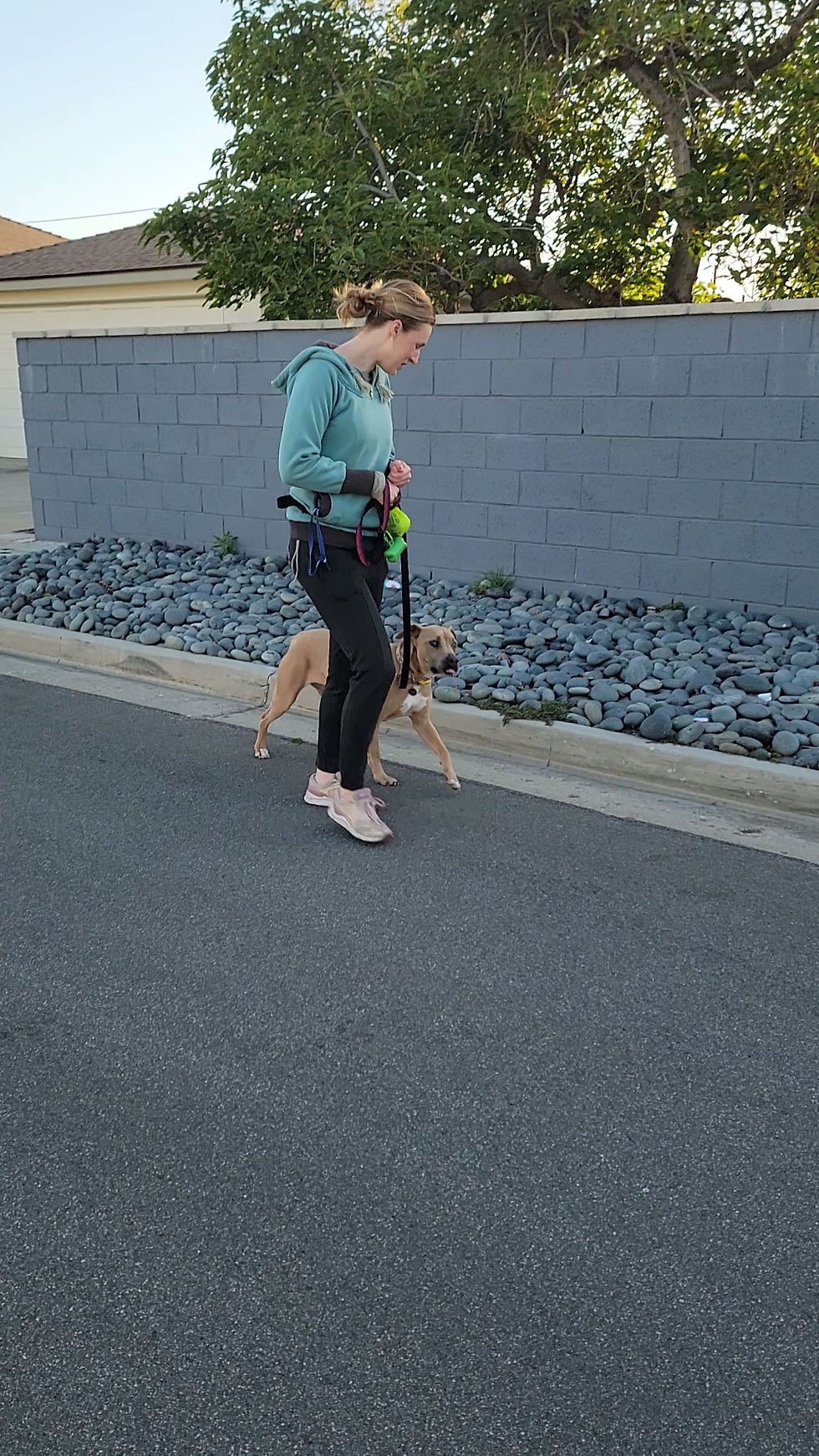


WHERE TO BEGIN
Start With What Is Happening
Most people begin because something needs attention—not because they already know which service to request. Describe the dog, the situation, what has changed, what you have already tried, and what you need the outcome to look like. The inquiry can then be directed toward an appropriate service or next step.
MICROCHIP SCANNING
An Animal Needs to Be Scanned
Begin here when you need help checking an animal for a detectable microchip or recording a chip number so an appropriate registry or reunification process can be identified.
Still Not Sure? Use the General Inquiry.
Explain what is happening in your own words. You do not need to translate the situation into professional terminology or select a program before asking. If the request falls outside the available scope, that will be explained directly. When possible, a more appropriate type of professional, organization, or next step may be identified.
This is the main contact path for general questions or undefined needs.
What to Include
- Provide the information relevant to your request. This may include:
- Dog Information: Age, breed, source, and history.
- The Concern: What is happening and why is it problematic?
- Environment: Where does the need occur?
- Health: Relevant veterinary history or physical restrictions.
- Safety: History of fear, reactivity, or aggression.
- Current Efforts: What have you already tried?
- Goals: What do you need the outcome to look like?
- Logistics: Location, urgency, and availability.
Do not send sensitive medical, financial, identity, ownership, or account information unless the form specifically requests it through an appropriate method.
An Inquiry Is the Beginning of Review
Submitting a form does not automatically create a training relationship, reserve an event, schedule an evaluation, confirm a transport, or guarantee microchip-scanning availability. The request must be reviewed and accepted before the service is confirmed.
You bring the situation. We can identify the next question from there.